Yala has the highest density of leopards of any national park on Earth. Here's everything you need to plan an extraordinary wildlife safari in Sri Lanka.
Why Yala Is Unlike Any Safari in Africa
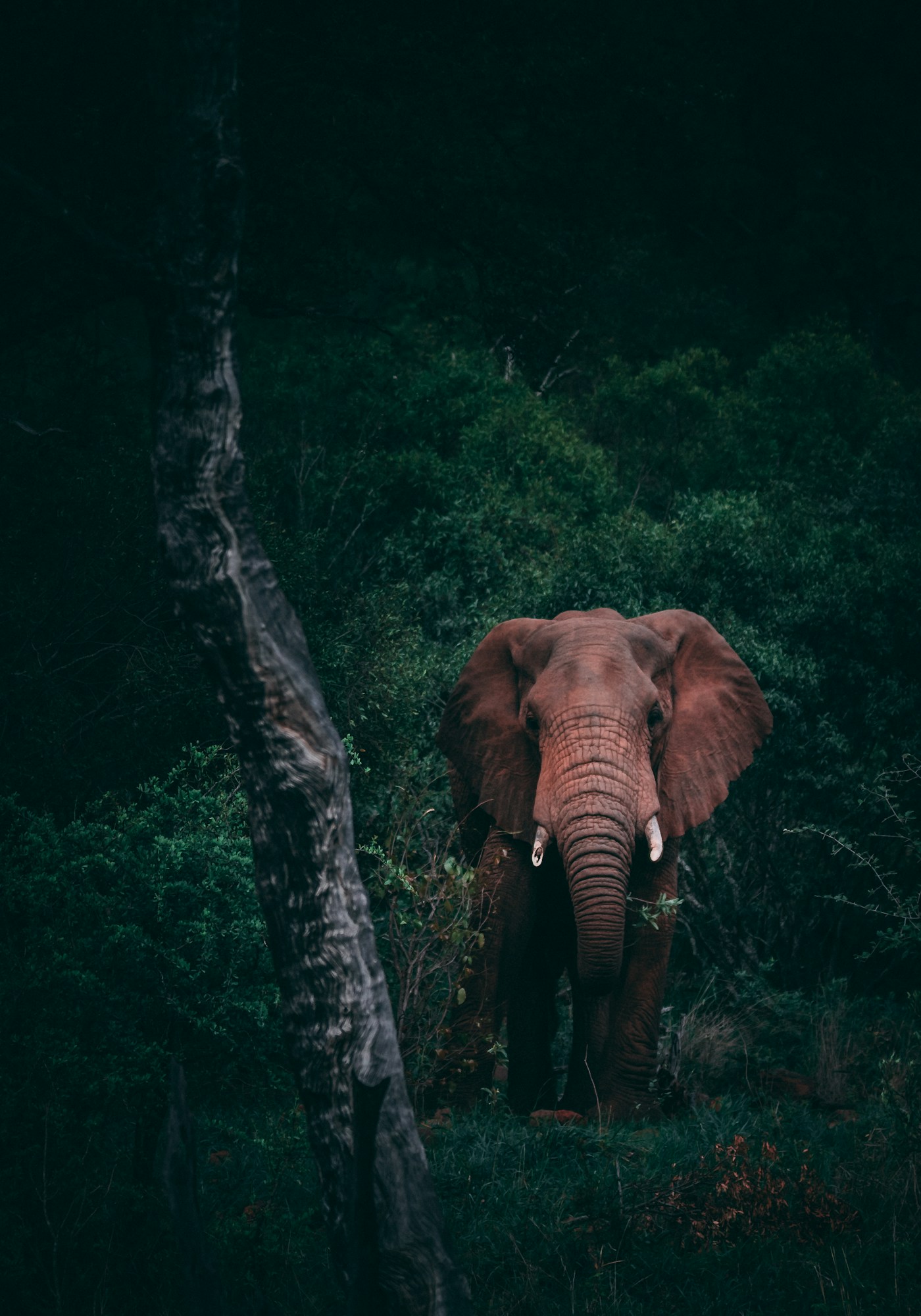
Yala National Park, located in the southeast corner of Sri Lanka, covers 979 km² of scrub jungle, grassland, and wetland. It is home to one of the highest densities of leopards anywhere on Earth — an extraordinary statistic that routinely surprises first-time visitors who expect Africa-style game drives on flat savannah. What you get instead is something more intimate: a leopard draped across a rock 15 metres from the jeep; an elephant matriarch leading her herd through a clearing at dawn; painted storks gathered at a shallow lagoon while a saltwater crocodile watches from the bank. Sri Lankan wildlife is close, accessible, and genuinely thrilling.
What Animals You Can See
Leopard: Yala's star attraction. Block 1 (see below) has the highest sighting rates in the world. Sightings are not guaranteed but regular. Sri Lankan Elephant: Large herds roam the park; often seen near water sources. Sloth Bear: Shy and nocturnal — a lucky sighting, usually at dawn or dusk near rock outcrops. Saltwater Crocodile: Common at Crocodile Rock and along water edges. Water Buffalo: Seen in large herds in the grassland areas. Spotted Deer, Sambar Deer: Very common. Golden Jackal: Frequently seen, especially at dawn. Mongoose: Darting through the undergrowth everywhere. Birdlife: Over 215 species including painted storks, purple-faced langurs, pelicans, bee-eaters, and the Sri Lanka junglefowl (the national bird).
Understanding the Park Blocks
Yala is divided into five blocks. Block 1 is the most accessible, most biodiverse, and home to the famous leopard population — it is the block nearly all safari jeeps enter. Blocks 2, 3, 4, and 5 are either less visited or restricted, giving a more remote experience. Block 1 can get crowded near popular sighting spots, particularly if a leopard is found — a cluster of 30+ jeeps in one area is not uncommon in peak season. For a quieter experience, consider a half-day in Block 1 combined with a separate jeep safari in Block 5 through a specialist operator.
Best Time to Visit Yala
June to September is the prime wildlife season. The dry months concentrate animals around the remaining water sources, making them far easier to spot. Leopard and elephant sightings peak during this period. The park partially closes in September for a short conservation rest period (usually 2–3 weeks). February to June is the second-best window — the vegetation is thicker but game viewing remains excellent and the park is less crowded. Yala is open year-round (except during closure) but the July–August tourist peak means more jeeps in the park. Avoid the heart of the northeast monsoon (October–November) when some roads flood.
Morning vs Afternoon Safari
Dawn safaris (entering at first light, around 5:30–6:00am) offer the best wildlife activity — predators are returning from overnight hunts, and the light is extraordinary for photography. Afternoon safaris (entering around 2:30pm, finishing at dusk) catch the golden hour and active herds heading to water before nightfall. A full day safari (8am–6pm) is the most rewarding but demanding option. We recommend a dawn safari as the minimum, paired with an afternoon session if your schedule allows. Most lodges near Yala offer safari packages as part of their rate.
Choosing the Right Safari Operator
Quality varies enormously. The best operators have experienced, knowledgeable trackers who know individual leopards by name, communicate with other jeep drivers responsibly, and do not harass animals for positioning. Ask your operator whether their jeeps are open-sided (essential for photography), whether they use licensed government trackers, and what their policy is on crowding around sightings. We work exclusively with vetted safari partners whose guides we know personally — it makes a genuine difference to the quality of your experience.
Where to Stay Near Yala
Accommodation near Yala spans from luxury tented camps to comfortable mid-range lodges and budget guesthouses in Tissamaharama (the nearest town, 20km away). Staying inside or immediately adjacent to the park buffer zone gives you priority dawn access. Popular high-end options include Chena Huts, Wild Coast Tented Lodge, and Kithala Resort. For mid-range comfort, several excellent boutique properties in Kirinda offer easy park access. We'll match accommodation to your budget and preferences — just let us know when you enquire.
Combining Yala with Mirissa and the South Coast
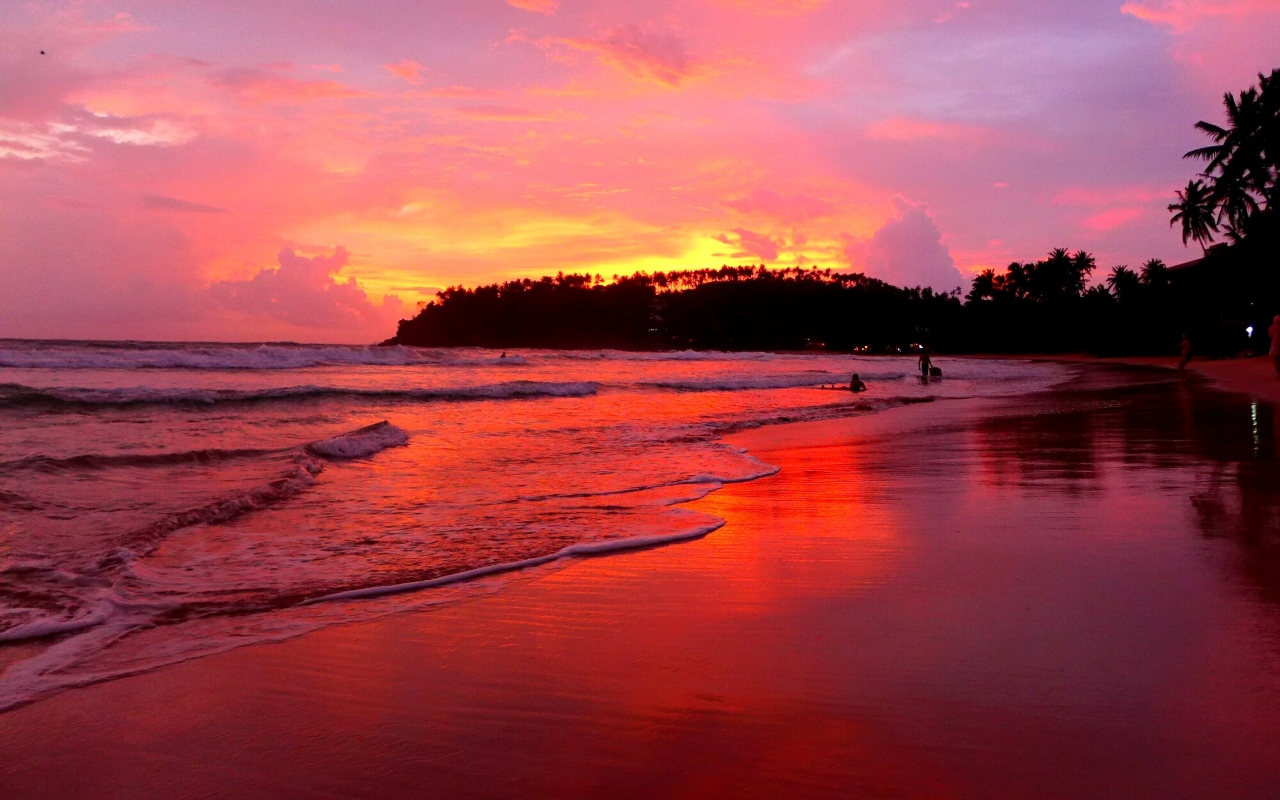
Yala sits just 2.5 hours east of Mirissa and Galle on good roads, making it a natural pairing with the south coast beaches. A classic combination: 2 nights in Galle (history, architecture, restaurants), 1 night in Mirissa (whale watching if December–April), then a transfer east to Yala for 2 nights of safari before heading back to Colombo. This 6-day circuit gives you beaches, history, marine wildlife, and one of the world's great land-based wildlife experiences in a single trip.
Ready to Experience This?
Let Us Build Your Bespoke Sri Lanka Itinerary
No fixed tours — every trip is designed around you.
Plan My Holiday