Sri Lanka is a year-round destination, but the right timing makes the difference between a good trip and a perfect one. Here's exactly when to visit — and why.
Why Sri Lanka Has Two Seasons — at the Same Time
Sri Lanka sits just north of the equator, roughly 30 km off the southern tip of India. Its small size — about the area of Tasmania — means two distinct monsoon systems sweep across the island at different times of year, each drenching one coast while the other basks in sunshine. Understanding this split is the single most important thing you can do when planning your trip.
December to March: The Classic Peak Season
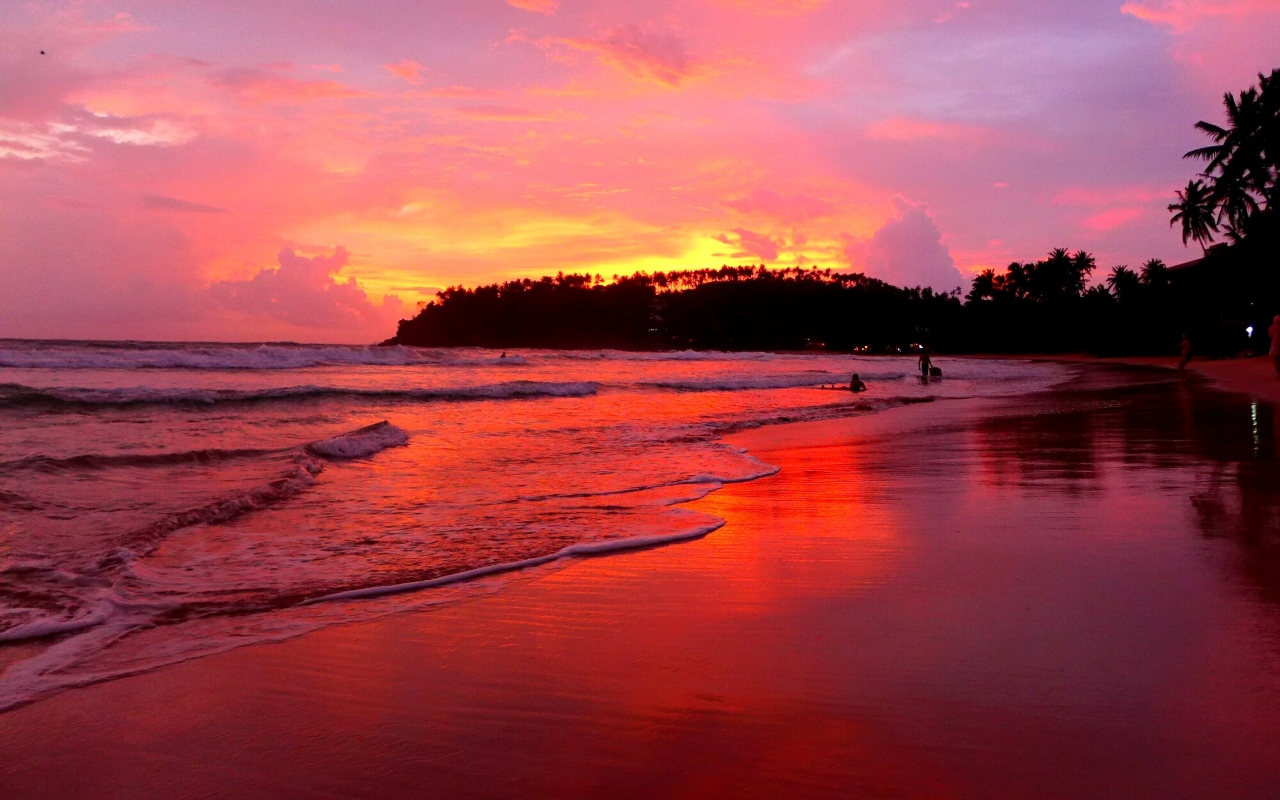
The southwest coast — Galle, Mirissa, Hikkaduwa, Bentota, Colombo — and the hill country around Kandy and Ella are at their best from December through March. The Indian Ocean is calm, the roads dry, and the skies reliably blue. December and January are the most popular months, with whale watching off Mirissa reaching its peak (blue whales pass closest to shore between December and April). Expect higher hotel rates and book accommodation 2–3 months ahead for this period. The Cultural Triangle (Sigiriya, Dambulla, Anuradhapura, Polonnaruwa) is comfortable year-round but particularly pleasant in these cooler months.
April: Shoulder Season and the Sinhala New Year
April is a transitional month. The rains haven't yet arrived in the south, making it a surprisingly good window — and hotel prices dip from their January peak. The Sinhala and Tamil New Year falls on 13–14 April, a national celebration with water-throwing, traditional games, and communal feasts. If you travel around this date, expect some transport disruptions but a uniquely authentic cultural experience. Water sports are still excellent along the south coast through April.
May to September: East Coast Season
From May, the southwest monsoon brings rain to the south and west while the east coast — Trincomalee, Nilaveli, Arugam Bay — transitions into its gorgeous dry season. Trincomalee's turquoise bays and whale shark sightings peak in May and June. Arugam Bay, one of Asia's top surf destinations, sees its biggest swells from June through August, drawing surfers from around the world. The east coast in summer is Sri Lanka's best-kept secret: fewer tourists, excellent value, and stunning empty beaches. The Cultural Triangle remains accessible from the eastern approach.
October and November: The Second Transition
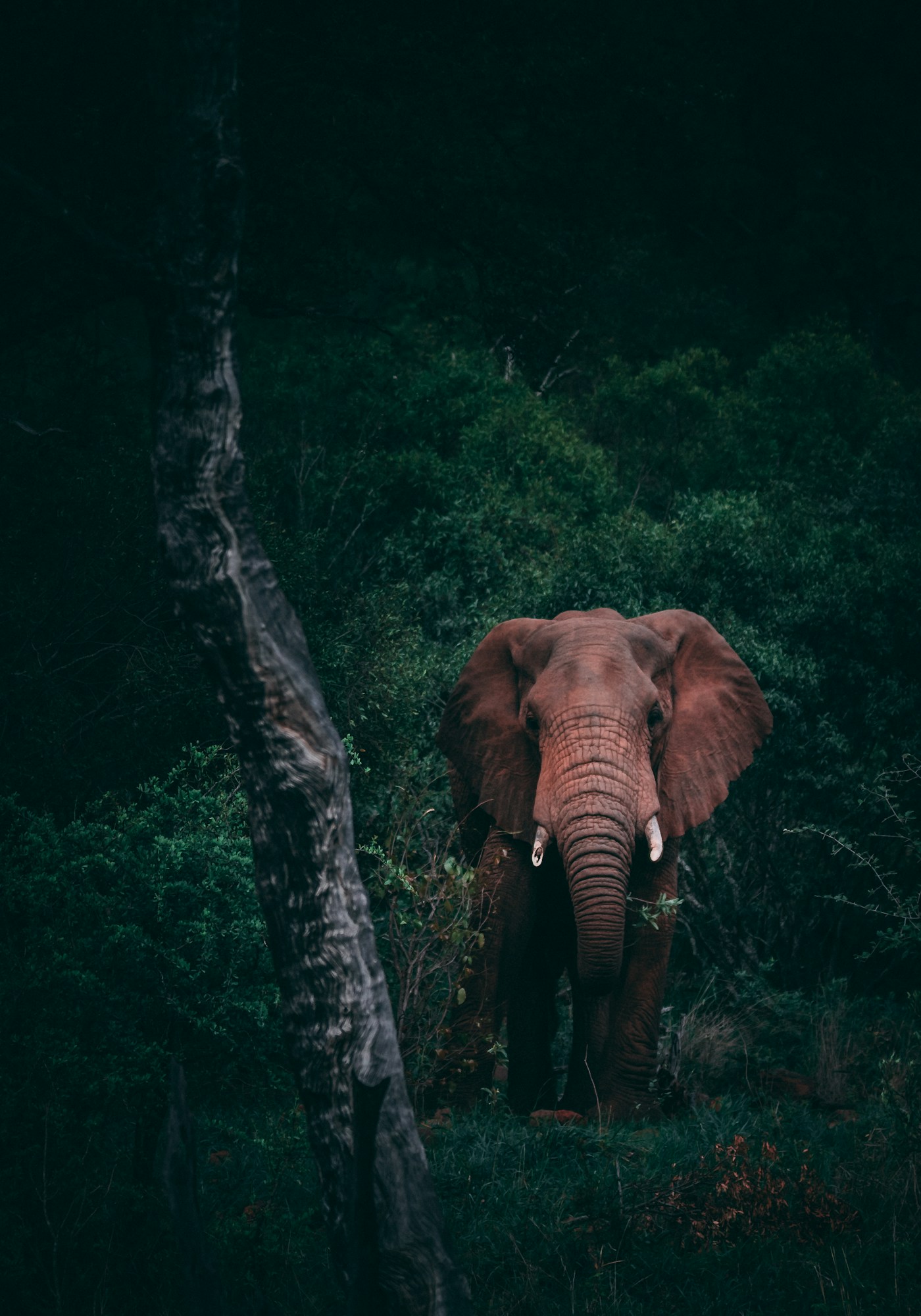
October and November bring the short inter-monsoon and then the northeast monsoon — the east gets wet while the southwest begins to dry. These months are often overlooked but offer real advantages: the south coast becomes increasingly pleasant from mid-November, prices are at their lowest, and the island is far less crowded. November is particularly good for seeing Yala National Park before the December rush.
Quick Reference by Experience
Whale watching (Mirissa): December–April. Beach time on south and west coasts: December–April. Surfing at Arugam Bay: June–September. East coast beaches (Trincomalee, Nilaveli): May–September. Cultural Triangle: Year-round, most comfortable December–April. Hill country (Kandy, Ella, Nuwara Eliya): Year-round; freshest December–March. Wildlife safari (Yala): Year-round; peak game viewing June–September when water sources concentrate animals. Tea factory visits: Year-round.
The Honest Answer: Sri Lanka Is Never Truly 'Off'
Experienced travellers know that Sri Lanka rarely has 'bad' weather — it has localised rain that the itinerary can simply route around. Even during the southwest monsoon, a morning in Galle is often dry while the afternoon brings a warm tropical downpour. We design every itinerary around your travel dates — including the weather — so your trip captures the best Sri Lanka has to offer whenever you visit.
Ready to Experience This?
Let Us Build Your Bespoke Sri Lanka Itinerary
No fixed tours — every trip is designed around you.
Plan My Holiday